
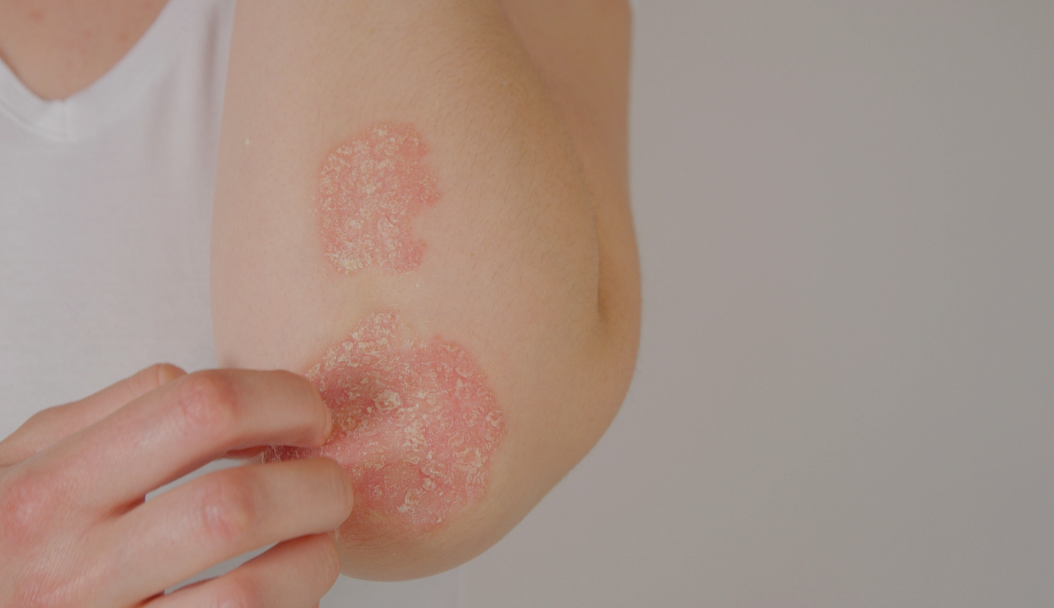
Psoriasis is a chronic autoimmune skin condition that causes inflammation, scaling, and discomfort. At Oak City Dermatology, we provide advanced psoriasis treatment in Cary, NC focused on reducing flare-ups, managing symptoms, and improving long-term skin health. We serve patients across Cary, Apex, and Raleigh with personalized, evidence-based care.
PSORIASIS TREATEMENT IN CARY, NC
Psoriasis Treatment in Cary, NC | Board-Certified Dermatologist for Lasting Relief
Managing psoriasis requires a customized approach based on severity, triggers, and overall health. Our dermatology team develops personalized treatment plans designed to control inflammation, slow skin cell turnover, and improve your quality of life.
What is Psoriasis?
Psoriasis occurs when the immune system becomes overactive and signals skin cells to grow too quickly. Instead of shedding normally, skin cells build up on the surface, forming inflamed, scaly patches.
Psoriasis is not contagious, but it is associated with systemic inflammation and may be linked to other health conditions. Proper medical care is important to manage symptoms and reduce complications.
What Causes Psoriasis?
Psoriasis is caused by a combination of immune system dysfunction and genetic factors. Common triggers that may worsen psoriasis flares include:
Stress
Illness or infection
Skin injury (cuts, burns, or scrapes)
Certain medications
Cold or dry weather
Smoking and alcohol use
Identifying and managing triggers is an important part of psoriasis treatment.
Why Treat Psoriasis?
Without proper management, psoriasis may lead to:
Frequent flares and worsening symptoms
Nail damage or hairline involvement
Increased risk of psoriatic arthritis
Impact on mental health and quality of life
Medical treatment can significantly reduce disease activity and help patients maintain long-term controlCommon Symptoms of Psoriasis
Symptoms vary by type and severity and may include:Red, inflamed patches of skin
Thick, silvery-white scales
Dry or cracked skin that may bleed
Itching, burning, or soreness
Scalp flaking or plaques
Nail changes such as pitting, thickening, or discoloration
Some patients may also experience joint pain or stiffness, which can be a sign of psoriatic arthritis.
Types of Psoriasis We Diagnose and Treat
Our dermatology providers evaluate and manage all major forms of psoriasis, including:Plaque psoriasis (most common type)
Guttate psoriasis
Inverse psoriasis
Scalp and nail psoriasis
Each type of psoriasis requires a tailored treatment approach. We proudly care for patients in Cary, Apex, Raleigh, and surrounding Triangle communities.Psoriasis Treatment Options
Psoriasis treatment is individualized based on disease severity, location, lifestyle factors, and overall health. Treatment goals include reducing inflammation, slowing skin cell turnover, relieving symptoms, and improving quality of life. Our board-certified dermatology team provides advanced treatment options, including biologic therapies and long-term disease management strategies.Topical Treatments
Prescription corticosteroids
Vitamin D analogs
Topical retinoids
Medicated shampoos for scalp psoriasis
Oral and Injectable Treatments
Oral systemic medications for moderate to severe psoriasis
Injectable biologic therapies that target specific immune pathways
Phototherapy
Controlled ultraviolet light therapy for appropriate candidates
You will be referred for phototherapy if your provider finds it necessary