
Skin cancer is the most common cancer in the United States, but early detection can save lives. At Oak City Dermatology, we provide thorough, full-body skin cancer screenings in Cary, NC to identify suspicious moles and lesions early. Our board-certified dermatology team offers personalized, timely care for patients in Cary, Apex, and Raleigh.
Skin Cancer Screenings in Cary, NC
Skin Cancer Screenings in Cary, NC | Early Detection by Board-Certified Dermatologist
A professional skin cancer screening is one of the most important steps you can take to protect your health. Our board-certified dermatology team performs comprehensive skin exams to detect early signs of skin cancer, including melanoma, basal cell carcinoma, and squamous cell carcinoma.
Types of Skin Cancer
There are several different types of skin cancer, each with unique causes, behaviors, and treatment approaches. Understanding these differences can help patients recognize warning signs and seek care promptly.
Basal Cell Carcinoma (BCC)
Basal cell carcinoma is the most common type of skin cancer. It grows slowly and rarely spreads but can cause significant local tissue damage if left untreated.Basal cell carcinoma may appear as:
A pearly or shiny bump
A pink or flesh-colored growth
A sore or pimple-like lesion that does not heal or repeatedly scabs
Because BCC often develops in sun-exposed areas, regular dermatologist skin exams are important for early detection.Squamous Cell Carcinoma (SCC)
Squamous cell carcinoma is the second most common type of skin cancer and arises from the outer layers of the skin. SCC can spread if not treated promptly.Squamous cell carcinoma may appear as:
A rough or scaly patch
A firm red bump
A lesion that crusts, bleeds, or becomes tender
Patients with significant sun exposure or a weakened immune system are at higher risk for SCC.Melanoma
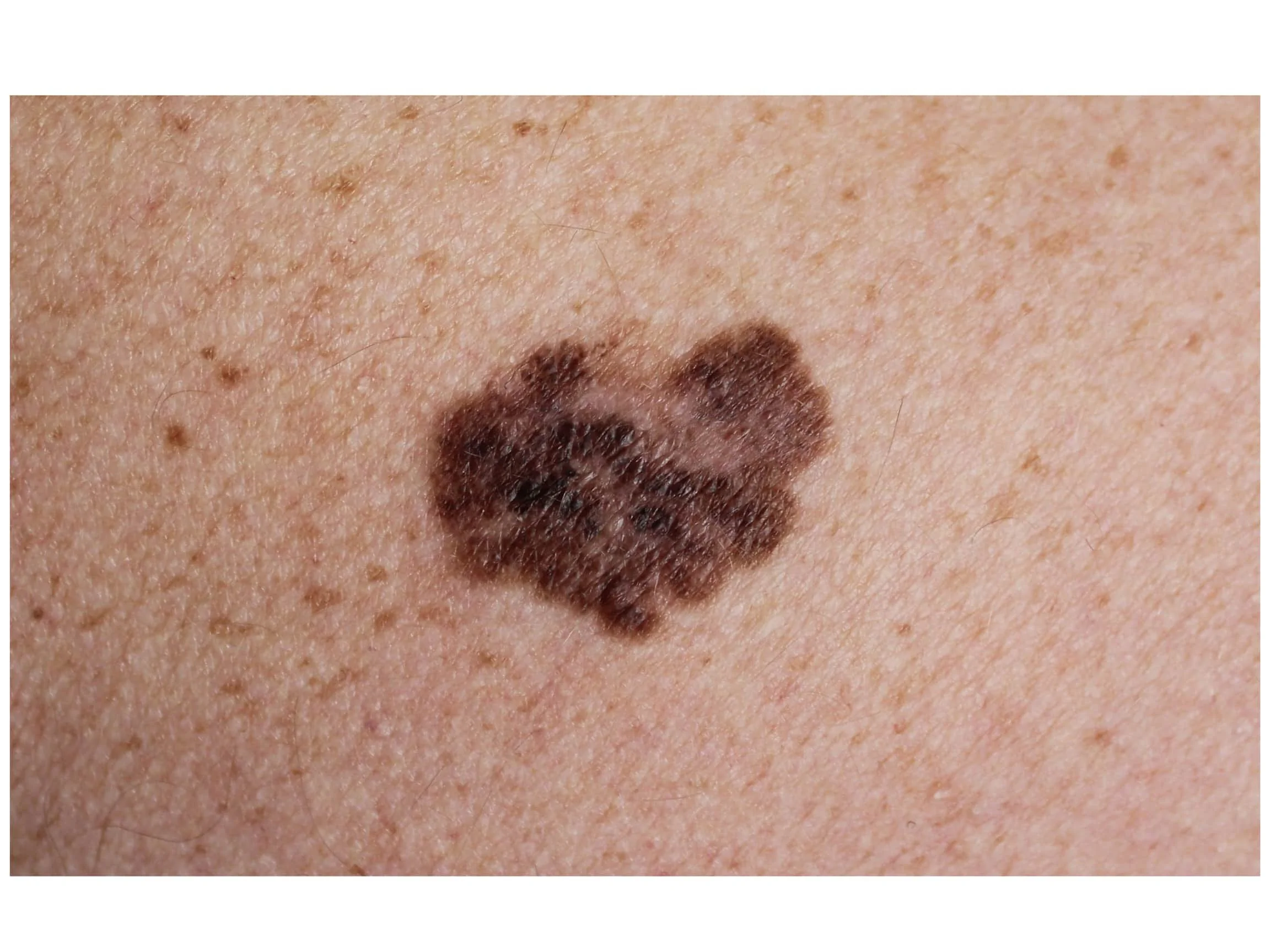
Melanoma is the most serious form of skin cancer because it has the highest risk of spreading (metastasizing) to other parts of the body. It develops from melanocytes, the pigment-producing cells in the skin.Melanoma may appear as:
A new or changing mole
An irregularly shaped or unevenly colored spot
A lesion that itches, bleeds, or grows over time
Early detection of melanoma through routine skin checks significantly improves survival rates.Actinic Keratoses (precancer)
Actinic keratoses (AKs) are precancerous growths caused by chronic sun exposure. While not cancerous themselves, they have the potential to progress into squamous cell carcinoma if left untreated.AKs often appear as:
Rough, sandpaper-like patches
Pink or red scaly spots
Lesions that may sting or feel sensitive
Treating precancerous lesions early can help prevent the development of skin cancer.
What to Expect During a Skin Cancer Screening
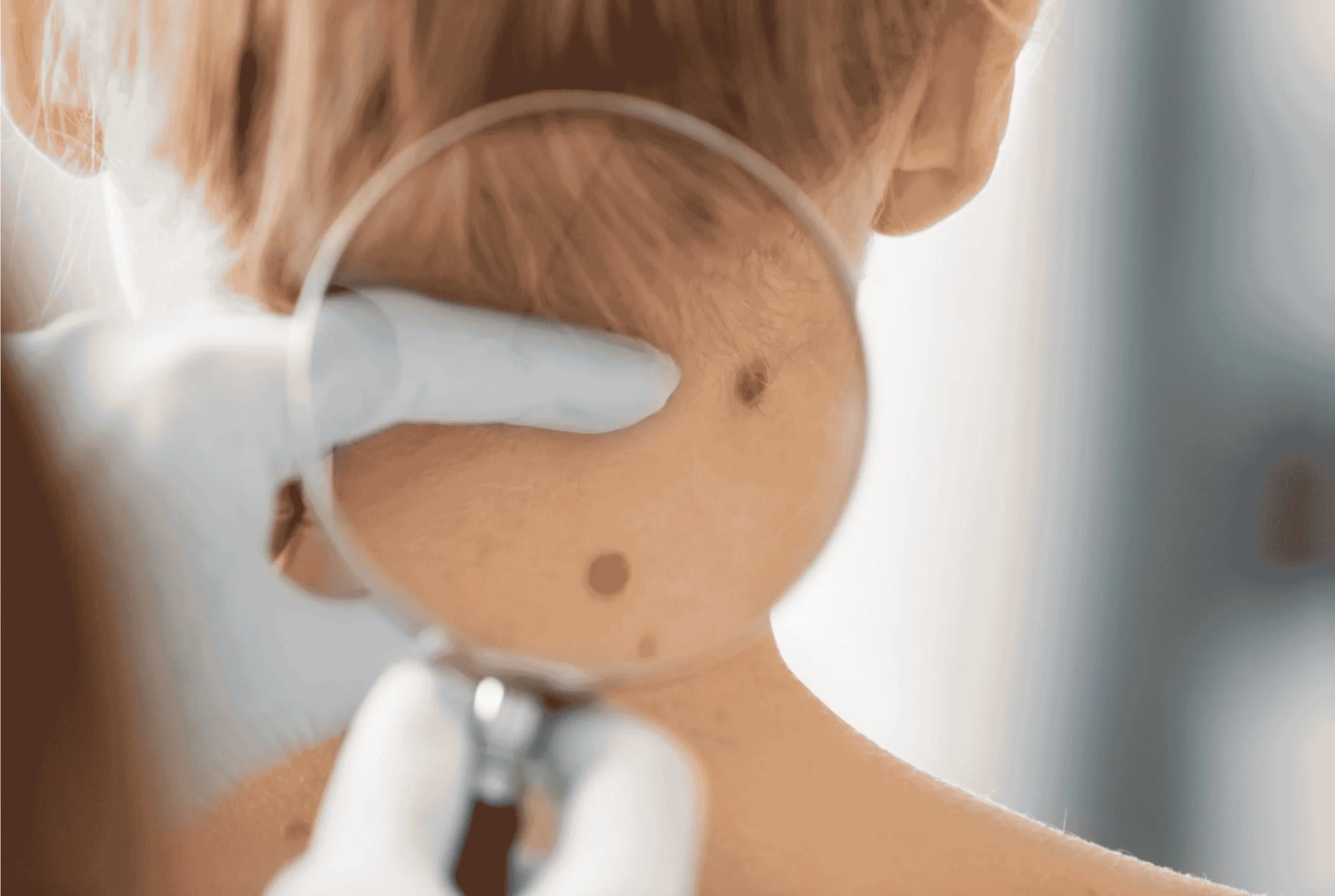
During your skin cancer screening, your dermatology provider will:
Examine your skin from scalp to toes
Identify any spots that may require monitoring or biopsy
Educate you on signs of skin cancer to watch for at home
If a suspicious lesion is found, a biopsy may be performed or scheduled to confirm the diagnosis.Why Regular Skin Cancer Screenings Matter
Skin cancer can develop silently and may not cause pain or symptoms in its early stages. Regular dermatologist skin checks allow for early diagnosis, which:Increases treatment success rates
Reduces the risk of cancer spreading
Allows for less invasive treatment options
Improves long-term outcomes'
Patients with a history of skin cancer, extensive sun exposure, or multiple moles may require more frequent skin exams.Who Should Get a Skin Cancer Screening?
Anyone can develop skin cancer, but screenings are especially important for individuals who:Have a personal or family history of skin cancer
Have fair skin, light hair, or light eyes
Have a history of sunburns or tanning bed use
Spend significant time outdoors
Have many or changing moles
Are immunocompromised
Your dermatologist can recommend how often you should have a skin check based on your individual risk factors.